

Snoring can wreck sleep with a kind of petty consistency that feels almost personal. It doesn’t have to be deafening to be disruptive, either. Sometimes it’s the rumbling consistency. Sometimes it’s the stop-start pattern that keeps your brain on edge. Sometimes it’s just loud enough to drag you from almost asleep to wide awake and annoyed.
The good news is that some bedroom tech actually helps. The bad news is that a lot of people buy the wrong kind of help. They throw money at random gadgets, stack three weak solutions together, and then wonder why they’re still lying there at 2:11 a.m. contemplating separate bedrooms and life choices.
If your goal is to block out snoring, not diagnose or cure the snorer, the smartest path usually isn’t complicated. You want a setup that either masks the sound consistently, reduces what reaches your ears, or ideally does both.
RELATED: 7 Ways to Automate for Better Sleep Quality
The Quick Answer
If you want the simplest setup that actually helps block out snoring, start with:
- A quality white noise or fan-based sound machine
- Soft foam or silicone earplugs
- A bedside charging setup so your gear is always ready
- Optional sleep earbuds if sound machines aren’t enough
- Optional pillow wedge or adjustable base if the snorer is open to positional changes
For most people, the first thing to buy is a good sound machine, not a random “sleep gadget” with mood lighting and vague promises. A steady wall of sound usually helps more than clever branding ever will.
Who This Setup Is For, And Not For
This setup is for the person who’s trying to sleep through someone else’s snoring without turning the bedroom into a weird consumer electronics graveyard.
It’s a good fit if:
- You sleep next to a partner who snores often
- You wake up from intermittent or low-to-mid-level snoring
- You want bedroom tech that helps you sleep, not just track your suffering in an app
- You’re open to practical solutions, not just expensive ones
- You want to start with what’s most likely to help tonight
It’s not for someone who’s hoping a speaker on the nightstand will somehow solve severe, alarming snoring that comes with choking, gasping, long pauses in breathing, or crushing daytime exhaustion. That’s not really a sound-masking problem anymore. That’s the point where medical evaluation matters, because loud snoring can overlap with sleep apnea concerns. Bedroom tech can help you hear less of it, but it isn’t a substitute for dealing with the cause when the cause looks serious.
It’s also not for someone who hates anything in their ears, refuses any background sound, and won’t tolerate even mild environmental changes. In that case, the product list gets brutally short.
The Big Beginner Trap
The biggest mistake people make is buying sleep audio gear that’s too weak, too gimmicky, or too inconsistent.
That’s the trap.
They buy a cute little nightstand sound machine with ten “relaxing” sounds, half of which are trickling brook nonsense and one of which sounds like a haunted dishwasher. Or they rely on a phone speaker playing rain sounds at low volume and then act shocked when the snoring punches right through it. Or they buy expensive noise-cancelling earbuds without asking the obvious question: can I actually sleep in these for seven hours without wanting to throw them at the wall?
To block out snoring well, you need one of three things:
- Strong, steady masking sound
- Physical reduction at the ear
- A layered approach that combines both
That’s it. Not ten devices. Not a “smart sleep ecosystem.” Just enough controlled sound reduction to keep the snoring from owning the room.
My strongest recommendation is to start with masking first, then add in-ear solutions only if you still need more help. That’s because a good sound machine is easier to live with, easier to share, and much less annoying than immediately trying to sleep in earbuds that weren’t really designed for it.
What May Actually Work, In Order
Let’s do this in a sane sequence.
1. Start with a sound machine that produces stable, non-irritating noise
This is still the best first buy for most people.
A proper sound machine gives your brain a more even noise floor, which makes the jagged intrusion of snoring less noticeable. The goal isn’t to “erase” the snoring completely. That’s a fantasy unless you’re using ear protection or sleeping in another room. The goal is to make the snoring less distinct, less spiky, and less disruptive.
This is where products like the LectroFan EVO, Yogasleep Dohm Classic, and SNOOZ Original start to make sense for different reasons.
The LectroFan EVO is one of the more practical choices because it offers a wide range of non-looping white noise, fan sounds, and a couple of surf options. That matters because different people respond differently to sound texture. Some want sharper broadband noise. Some sleep better with a softer fan profile. The EVO gives you room to adjust without becoming fussy.
The Yogasleep Dohm Classic goes the other direction. It’s simpler and more old-school. It uses a real fan, has two speeds, and lets you tune the tone a bit. If you hate synthetic speaker-based sleep sounds and want something more natural and mechanical, the Dohm still has a real place. It isn’t fancy. That’s part of the appeal.
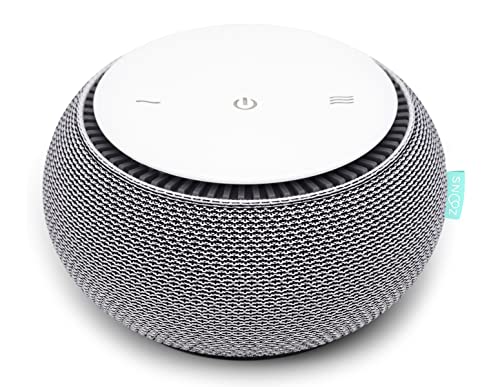
The SNOOZ Original is another strong option if you like the real-fan idea but want app control, adjustable tone, and more refinement. It produces non-looping fan sound with a real internal fan and gives you more control than the basic Dohm. The SNOOZ Pro pushes that idea a little further.
My personal recommendation for most people is this:
- LectroFan EVO if you want the most flexible, easiest-to-tune masking approach
- Yogasleep Dohm Classic if you want a simpler fan-based bedside staple
- SNOOZ Original if you like fan sound but want a more polished smart-friendly experience
If I had to pick one blind recommendation for the average snoring situation, I’d probably start with the LectroFan EVO. It’s versatile enough that you can usually find a sound profile that works without feeling locked into one texture.

|

|
|
|
$49.00
|
$65.95
|
$99.99
|
2. Place the sound machine correctly, not just conveniently
This part gets ignored constantly.
People put the machine on their side of the bed because that’s where the outlet is, then wonder why it isn’t doing enough. The better move is usually to place the masking sound between you and the snorer, or at least closer to the sound source than to your pillow if the room layout allows it.
Now, that doesn’t mean balancing a device on a stack of books like some sleep-deprived engineer. It means being deliberate. The masking sound should intercept and blend with the snoring, not just exist vaguely elsewhere in the room.
Also, volume matters. Too quiet and it does almost nothing. Too loud and you’ve replaced one sleep problem with another. Start lower than you think, then raise it until the snoring stops standing out so sharply.
3. Add earplugs before you jump to expensive sleep earbuds
This is where people skip a cheap answer because it isn’t glamorous.
A good set of soft foam earplugs or soft silicone plugs is often the highest-value second step. They don’t need firmware. They don’t need Bluetooth. They don’t need a companion app pretending to understand your circadian rhythm.
They just reduce sound.
Now, not everyone tolerates earplugs well. Some people hate the pressure. Some side sleepers find them irritating. Fair enough. But if you haven’t at least tried comfortable, low-profile earplugs along with a sound machine, you haven’t really tested the simplest strong combo yet.
My practical advice is to keep a few types on hand. One shape that bothers you might not tell you anything about another.

|

|

|
|
$9.89
|
$11.99
|
$24.95
|
4. Move to sleep earbuds only if the sound machine-plus-earplug route still isn’t enough
This is the premium move, and for the right person it can help a lot.
One of the clearest sleep-first options in this category is Ozlo Sleepbuds. They’re specifically designed for sleep, positioned as comfortable for side sleepers, and meant to block and replace disruptive bedroom noise with audio you choose. That’s a much more believable sleep-first concept than trying to jam normal music earbuds into your ears all night and hoping for enlightenment.
If you want in-ear sound masking that feels purpose-built for bedtime, this is the category I’d look at first.
Could you use standard noise-cancelling earbuds like the Bose QuietComfort Earbuds? Sure, technically. They do offer active noise cancellation. But there’s a difference between earbuds that are great for travel, commuting, and everyday noise reduction and earbuds you genuinely want to sleep on. Those are not identical use cases. The Bose pair makes more sense if you already own them and want to test whether ANC plus low-volume sleep audio helps you. They make less sense as my first blind purchase specifically for side-sleeping through snoring.
My honest take is this:
- Ozlo Sleepbuds if you need an in-ear sleep solution and you know you’ll actually wear them
- Bose QuietComfort Earbuds only if you already like ANC earbuds and don’t mind that they aren’t sleep-first hardware.

|

|
|
$249.00
|
$179.00
|
5. If the snorer is willing, positional tech can help more than masking alone
This doesn’t block out snoring at your ear. It reduces how much snoring you have to deal with in the first place.
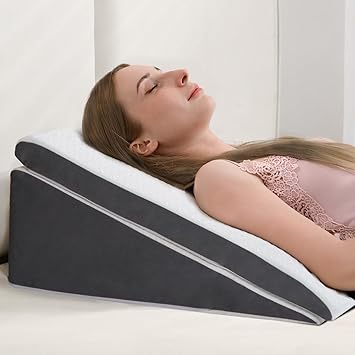
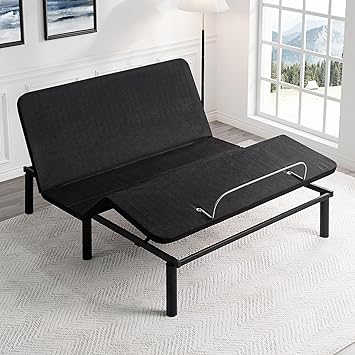
Some snoring is worse on the back. That means wedge pillows, adjustable bed bases, or even just a more structured pillow setup can help change the sleeping position enough to reduce the noise. This isn’t universal. It won’t solve every snoring pattern. But it’s one of the few bedroom-tech angles that can reduce the source instead of just hiding it.
I wouldn’t start here if your only goal is “I need sleep tonight.” But if you’re building a longer-term solution and your partner is cooperative, this is worth thinking about.

|
|
|
|
$36.91
|
$32.29
|
$426.99
|
The Gear Bundles That Make Sense
Most people don’t need a giant decision tree. They need a few combinations that fit how bad the snoring is and how much intervention they can tolerate.
Option 1: The best first-step anti-snoring setup for most people
You buy:
- LectroFan EVO
- A multi-pack of soft foam earplugs
- A simple bedside charger or extension setup
Why this works: it’s affordable, easy to test quickly, and much more effective than random app audio through a phone speaker. The sound machine does the bulk of the masking, and the earplugs take the edge off what still gets through.
This is the setup I’d recommend to the biggest number of people because it gives you the best odds of improvement without overcomplicating the bedroom.
RELATED: Build a Smart Bathroom on a Budget
Option 2: The more natural-sounding fan-noise setup
You buy:
- SNOOZ Original or Yogasleep Dohm Classic
- Soft silicone or foam earplugs
- Optional pillow wedge for the snorer
Why this works: some people sleep better with fan-style sound than with classic white noise. It feels less synthetic, less hissy, and less mentally “present.” If that’s you, this bundle usually lands better.
My personal lean inside this category is SNOOZ Original if you want better control and Dohm Classic if you want the simpler old-school version.
Option 3: The escalation setup when bedside noise machines aren’t enough
You buy:
- Ozlo Sleepbuds
- LectroFan EVO or SNOOZ Original
- Compact charging setup by the bed
Why this works: now you’re layering direct in-ear masking with environmental masking. That’s a stronger move for louder or more erratic snoring, especially if the noise machine alone hasn’t done enough.
This is the setup I’d consider if you’ve already learned that room-level masking helps, but not quite enough.
Option 4: The “I already own ANC earbuds” budget-conscious test setup
You buy or use:
- Your existing Bose QuietComfort Earbuds or similar ANC earbuds
- A white noise machine
- A stable charging routine so you aren’t waking up to dead gear
Why this works: it lets you test whether in-ear reduction plus masking helps before buying dedicated sleep earbuds. It’s not my favorite long-term sleep solution for everybody, but it’s a reasonable experiment if the earbuds are already sitting in your drawer.
The Boring But Mandatory Accessories
These are the pieces people forget because they’re not exciting, which is exactly why they matter.
Keep this checklist in mind:
- Extra earplug packs so you don’t ration the one pair you hate
- A bedside USB charger or power strip
- Travel pouch or case for sleep earbuds
- Backup charging cable
- A dimmable nightstand light so you’re not blasting yourself awake during adjustments
- A small bedside shelf or stable surface for the sound machine
- Pillow protectors or extra pillowcases if you’re testing wedge setups
- A fan, if you already like airflow, though I wouldn’t buy one just to replace a dedicated sound machine
That last one matters. A household fan can help some people, but fans are often too placement-dependent, too drafty, and too inconsistent as dedicated snore-masking tools. They’re a bonus, not the main recommendation.
What Usually Doesn’t Work As Well As People Hope
This is where some money gets wasted.
Tiny phone speakers usually aren’t enough. Decorative sleep gadgets with weak speakers usually aren’t enough. Expensive sunrise alarm clocks usually aren’t enough for blocking sound, because they weren’t really built for that job. Air purifiers can create useful fan noise, but I wouldn’t buy one primarily as a snore blocker unless you already want an air purifier for air-quality reasons.
And I’m not especially enthusiastic about stacking five mediocre solutions together instead of buying one or two good ones. That’s how bedrooms slowly become tech graveyards.
RELATED: No-Drill Ways to Soundproof a Bedroom from Street Noise
My Personal Recommendation
If you want the shortest honest answer, here it is. For most people trying to block out snoring, I’d start with:
LectroFan EVO, a pack of comfortable foam earplugs, and thoughtful placement of the machine between you and the snorer.
That’s the smartest first move. If that still isn’t enough, I’d escalate to:
Ozlo Sleepbuds plus a sound machine, especially if you’re the kind of sleeper who wakes easily once a noise cuts through.
If you strongly prefer fan-like sound over digital noise, I’d look hard at the SNOOZ Original. If you want a simpler, classic, no-nonsense bedside unit, the Yogasleep Dohm Classic still makes a lot of sense.
Final Thoughts
The best bedroom tech for snoring usually isn’t the flashiest. It’s the setup you can live with consistently.
Start with masking. Add ear-level reduction if needed. Don’t assume ANC alone is the answer. Don’t assume a trendy sleep gadget is doing more than a well-made sound machine. And don’t ignore the possibility that especially loud, irregular, or alarming snoring deserves more than consumer tech.
If your goal is simply better sleep on your side of the bed, the right setup can help a lot. Not perfectly. Not magically. But enough to turn a nightly battle into something much more manageable, which, considering the state of modern sleep, is already a pretty decent victory.

