

A fogged-up smart mirror is one of those annoyances that feels small until it happens every morning and starts making a supposedly premium bathroom feel weirdly unfinished. You turn on the lights, the display wakes up, maybe the clock and weather look slick, and then the mirror itself disappears behind a sheet of condensation like the whole thing’s lost confidence.
The good news is that fogging usually isn’t mysterious. It’s predictable. Warm steam hits a cooler mirror surface, moisture condenses, and now your smart mirror is doing a very expensive impression of frosted glass. The fix, thankfully, is usually less about buying some miracle spray and more about managing heat, humidity, airflow, and timing in the right order.
And that’s the part people get wrong. They buy a fancy mirror, skip the moisture-control plan, then act offended when physics continues to function in the bathroom.
RELATED: How to Make a Spa-Like Bathroom
The Quick Answer
If you want to keep a smart mirror from fogging up, start with:
- A built-in anti-fog smart mirror or a mirror defogger pad
- A properly sized bathroom exhaust fan
- A humidity sensor or timer switch for the fan
- Correct mirror placement away from the heaviest steam path
- A clean mirror surface
- Optional anti-fog spray for temporary backup
That’s the real core. If you heat the mirror surface, vent the room properly, and stop treating the fan like a decorative suggestion, fogging becomes much easier to control.
Who This Setup Is For, And Not For
This setup is for the person who already has a smart mirror, wants to buy one, or is trying to retrofit a regular wall mirror with some anti-fog help without rebuilding the whole bathroom. Maybe you’re tired of wiping the mirror every morning. Maybe your mirror has lighting and a display, and it feels ridiculous that the “smart” part disappears the second the shower gets interesting. Fair complaint.
This is especially right for you if:
- You shower daily in a bathroom that gets steamy fast
- Your mirror sits fairly close to the shower or tub
- You want a fix that feels built-in, not improvised
- You care about clean bathroom aesthetics
- You want the mirror to stay usable, not just technically present behind mist
This is not for someone whose bigger issue is a badly ventilated bathroom with chronic moisture problems, peeling paint, mildew, or a fan that barely moves air. In that case, the mirror isn’t the main problem. It’s the symptom that happened to annoy you first.
It’s also not for someone hoping a ten-dollar bottle of anti-fog spray will permanently solve a ventilation problem. Sprays can help. They aren’t a substitute for airflow and heat.
The Big Beginner Trap
The biggest mistake people make is treating mirror fog like a surface problem instead of a moisture problem.
That’s the trap.
They focus on the glass and ignore the room. So they buy coatings, wipes, sprays, or gimmicky cleaners, and for a day or two it seems promising. Then the shower gets hot, the bathroom turns tropical again, and the mirror fogs because the underlying conditions never changed.
The smarter order is this:
- Reduce humidity buildup
- Warm the mirror surface
- Use timing and controls so the fix happens automatically
- Use sprays only as a support layer, not the main strategy
That sequence matters.
If I were giving the shortest honest advice, it’d be this: a mirror that heats itself plus a fan that actually clears moisture beats any bottle, cloth, or hack every single time.
What to Buy First, In Order
Let’s do this in the order that actually makes sense instead of the order bathroom brands would love you to spend money.
1. Start with the anti-fog method built into or behind the mirror
This is the most direct fix because it addresses the actual surface where condensation forms.
You’ve basically got two paths. You either buy a smart mirror with built-in anti-fog or you add a mirror defogger pad behind an existing wall mirror.
If you’re buying new, this is the cleanest route. A lot of current LED and smart-style bathroom mirrors now include anti-fog functions, and that’s how I’d prefer to do it if the bathroom’s already being updated. You avoid piecing together a workaround after the fact.
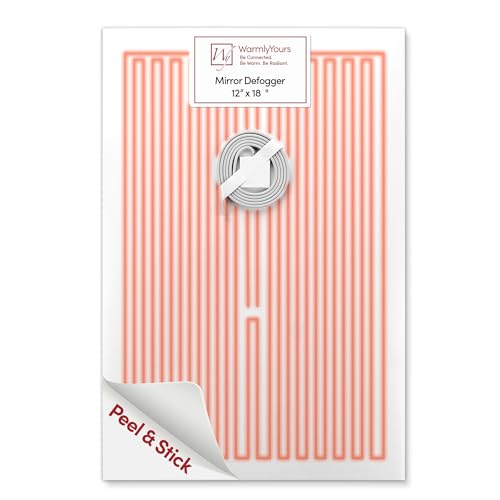
If you already own a mirror you like, a mirror defogger pad is often the smarter move. WarmlyYours has current ClearlyYou defogger pads in multiple sizes, and the whole idea is simple: a thin heating element adheres to the back of the mirror and gently warms the glass so condensation doesn’t settle the same way. That isn’t glamorous. It’s just the correct kind of boring. Which, in bathrooms, is often the good kind.
My personal recommendation:
- Buying new mirror anyway: choose one with built-in anti-fog
- Keeping your current mirror: add a defogger pad before you replace a perfectly good mirror out of irritation
2. Fix the ventilation before you congratulate yourself
This is the part people skip because it isn’t fun.
A fog-free mirror in a swampy bathroom is still in a swampy bathroom. If the room holds steam for too long, you’ll keep fighting condensation, moisture buildup, and that general sticky bathroom feeling that makes everything seem slightly defeated.
This is where a proper bathroom exhaust fan matters. Not just any fan. A fan that’s appropriately sized, reasonably quiet, and actually used.
Brands like Panasonic Whisper and Broan-NuTone are still the serious names here. Both have current humidity-sensing models, which matter because they remove the weakest link in bathroom ventilation: the person who says “I’ll turn it on later” and never does.
If your bathroom already has a fan but the mirror still fogs heavily every time, ask the rude but necessary question: is the fan actually good, or merely present?
Those aren’t the same thing.

|

|
|
$188.99
|
$99.49
|
3. Add a humidity sensor or timer so the system runs long enough
This is one of the best low-drama upgrades in the whole category.
A lot of mirrors fog not because the room has no fan, but because the fan runs for five lazy minutes and then gets shut off while the room is still wet. A timer switch or humidity-sensing control fixes that by keeping ventilation going long enough to matter.
I like this solution because it reduces dependence on memory and mood, both of which are unreliable bathroom-management tools.
If you’re the type who showers, opens the door, forgets the fan, and moves on, automate the fan. That isn’t laziness. That’s designing around predictable behavior, which is usually smarter than pretending you’ll become meticulous overnight.
4. Pay attention to mirror placement
This one gets overlooked during remodels.
If your mirror is directly in the worst steam path, very close to the shower opening, or mounted in a way that catches the full blast of hot air the second the door opens, you’re making the job harder. Sometimes the fix isn’t product-related. It’s layout-related.
Now, I’m not saying move the sink to another zip code. But if you’re planning a bathroom refresh and choosing between placements, don’t put the mirror in the most steam-aggressive part of the room unless you’ve already planned strong anti-fog and ventilation support.
Placement isn’t everything. It just matters more than people think.
5. Keep the mirror surface clean
This sounds minor, but it isn’t. Residue on the mirror can make fogging look worse and can interfere with how evenly moisture behaves on the surface. Toothpaste spray, cleaner buildup, hair product haze, and soap film all contribute to that gross, streaky fog look that makes the mirror seem worse than it is.

A clean mirror doesn’t replace anti-fog technology. But it does help the system work more cleanly and look less chaotic.
This is one of those infuriatingly basic truths people want to skip because it doesn’t involve buying something shiny.
6. Use anti-fog spray only as a backup layer
Sprays have their place. I just wouldn’t build the whole solution around them.
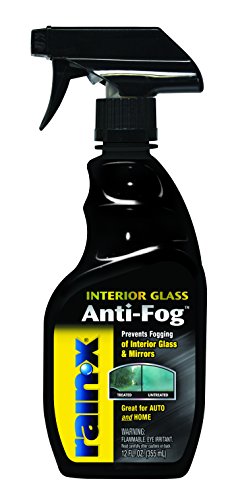
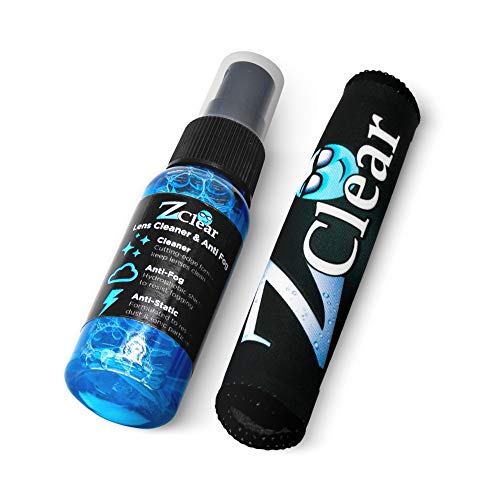
If you’re in a rental, can’t alter wiring, and need a temporary fix, an anti-fog spray or anti-fog wipe can absolutely help. It’s also useful as a short-term stopgap while you decide whether you’re installing a defogger pad or upgrading the fan.
But this is the key distinction: sprays are maintenance products, not system solutions.
You have to reapply them. Results vary. Some work better than others. Some leave haze. Some are fine for a while and then annoy you into giving up.
That doesn’t make them worthless. It just makes them the backup singer, not the lead.
|

|

|
|
|
$5.42
|
$8.99
|
$9.99
|
$9.99
|
The Gear Bundles That Make Sense
Most people don’t need twenty product paths. They need a few combinations that match the bathroom they actually have.
Option 1: The simplest new-smart-mirror setup
You buy:
- A smart or LED bathroom mirror with built-in anti-fog
- A decent exhaust fan
- A timer or humidity-sensing control
Why this works: it’s the cleanest, least patched-together solution. If you’re already buying a new mirror, this is the obvious place to stop being cheap in the wrong direction.
This is the route I’d take in a remodel.
Option 2: The best retrofit setup for most people
You buy:
- Your existing wall mirror
- A mirror defogger pad
- A timer switch or humidity-sensing fan
- A good mirror cleaner
Why this works: it solves the actual fogging problem without forcing you to replace the mirror, the light, and half your bathroom out of frustration.
This is probably my favorite recommendation for people who already like their mirror and just want it to stop failing them after every shower.
Option 3: The renter or low-commitment setup
You buy:
- Anti-fog spray or wipes
- A stronger fan routine
- A portable dehumidifying habit, like opening airflow after the shower if appropriate
- Better mirror cleaning supplies
Why this works: it’s not the most elegant solution, but it’s cheap, fast, and doesn’t require hardwiring anything.
I’d only choose this if you truly can’t modify the setup.
Option 4: The humidity-first setup
You buy:
- A quiet humidity-sensing exhaust fan from Panasonic or Broan-NuTone
- A timer or automatic control if needed
- Any mirror solution later if fogging still bothers you
Why this works: if the whole bathroom turns into a steam chamber, that’s the bigger issue. Fixing the room often reduces the mirror problem dramatically.
If your paint peels, towels never dry, or the room feels damp long after a shower, start here.
The Boring But Mandatory Accessories
These are the little things people forget, then act surprised when the “simple” bathroom fix somehow becomes irritating.
Keep this checklist in mind:
- A proper mirror-safe cleaner
- Microfiber cloths
- A timer switch or humidity control
- Electrical access planning
- Correct defogger pad size
- A GFCI-protected bathroom circuit where required
- A qualified electrician if wiring is involved
- A mirror that’s actually suitable for the bathroom environment
That last part matters. Bathrooms are humid, electrical, and not especially forgiving. If a product is going near a shower zone or a wet area, don’t improvise your way into trouble because a listing had nice photos and a suspiciously confident headline.

|
|
|
|
|
$8.99
|
$9.99
|
$5.42
|
$63.20
|
What I’d Personally Do
If I already had a mirror I liked and it fogged badly, I’d do this:
add a mirror defogger pad, make sure the bathroom fan actually clears moisture, and put the fan on a timer or humidity sensor.
That’s the smartest practical stack.
If I were buying from scratch, I’d skip the gimmicks and choose a smart mirror with built-in anti-fog, then pair it with a quiet humidity-sensing fan. I wouldn’t spend premium mirror money and then cheap out on ventilation like the room itself doesn’t exist.
That’s the bathroom version of buying expensive speakers and refusing to place them properly. Same species of mistake. Different tile.
Final Thoughts
Keeping a smart mirror from fogging up isn’t really about outsmarting condensation. It’s about respecting what causes it and fixing the bathroom in the right order.
Start with mirror heat. Fix the ventilation. Automate the fan so it runs long enough. Keep the surface clean. Use sprays only when they make sense. And if wiring or wet-zone safety enters the picture, stop freelancing and get the electrical side handled properly.
A fog-free smart mirror usually comes from layered, sensible decisions, not one clever hack. That’s less exciting, sure. It’s also the version that keeps working after the novelty wears off, which is the whole point.
