

Your bedroom environment has more influence over your nights than most people realize. When the room stays too bright, too warm, or too noisy, even a decent routine can start to feel harder than it should. That’s where automation starts to make sense. Used well, it can make your bedroom darker when it needs to be dark, cooler when it needs to be cool, and quieter when the outside world refuses to shut up.
A lot of people don’t actually have a sleep problem so much as a room problem. The room stays too bright. The temperature drifts. Street noise sneaks in. A phone becomes the control center for everything, which is its own stupid little trap. Bedroom automation, when it’s done well, removes friction. You stop fiddling with lamps, blinds, fans, and sound machines every night, and the space starts preparing itself.
That’s the whole idea here. Not biohacking theater. Not expensive gadget cosplay. Just a bedroom that behaves properly.
RELATED: Build a Spa-Like Bathroom on a Budget
The Quick Answer
If you want the bare minimum setup to start automating a bedroom for better sleep conditions, you need:
- Smart bulbs or a smart bedside lamp with scheduling
- Blackout curtains or motorized blackout shades
- A thermostat or bedroom temperature sensor
- A smart plug for a fan, heater, or humidifier if needed
- A white noise machine or speaker with scheduled playback
- A simple automation platform or app routine
- A few cheap accessories like cable clips, adhesive hooks, and backup batteries
That’s enough to automate the three environmental levers that matter most here: light, temperature, and sound.
Who This Setup Is For, And Not For
This setup is for the person who knows their bedroom environment is working against them. Maybe the room gets blasted by early morning sun. Maybe the upstairs bedroom runs warmer than the rest of the house. Maybe the neighbor’s dog has a spiritual commitment to barking at 2:13 a.m. You don’t need a huge smart home to fix that. You need targeted control.
It’s also for renters, apartment dwellers, light sleepers, shift workers, and anyone trying to build a more consistent wind-down routine without turning the bedroom into a science fair project. In fact, smaller bedrooms often benefit more because you can change the feel of the room quickly with just a few devices.
It isn’t for someone who wants to automate everything because the internet told them to. If you sleep fine in a cool, dark, quiet room already, there’s no prize for adding six apps and seventeen failure points. It also isn’t ideal for anyone who hates managing connected devices. There are good low-tech alternatives. Blackout curtains, a basic fan, and a reliable sound machine still work. Electricity remains undefeated.
The point isn’t to buy the most gear. The point is to remove the recurring annoyances that keep your room from settling down at night.
The Big Beginner Trap
The biggest mistake beginners make is chasing novelty instead of control.
They buy color-changing bulbs, some flashy bedside gadget, maybe a voice assistant, maybe a sunrise lamp, and then somehow the room is still too bright at night, too warm after midnight, and too noisy at dawn. That’s because the system was built around features, not around the actual environment.
Start with problems, not products.
If the room gets morning light at the wrong time, fix the window first. If your bedroom runs hotter than the hallway, fix temperature targeting before you care about fancy scenes. If sound is the issue, don’t waste time automating decorative nonsense before you’ve handled masking or noise reduction.
The best bedroom automation setups are usually a little boring at first. That’s a compliment. They work in the background. They dim. They close. They cool. They cover up noise. They don’t require nightly fiddling or ten voice commands muttered into the dark like you’re trying to summon a reluctant demon.
Now let’s get into the seven ways that actually matter.
RELATED: Tech that Allows You to Block Snoring
1. Automate Your Bedroom Lighting So It Stops Fighting You
Light is usually the easiest win, and it’s also the one people screw up with weird enthusiasm.
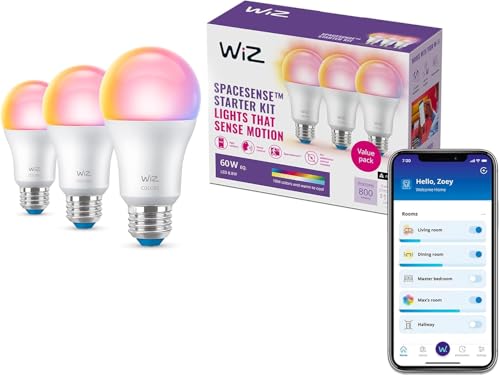
The goal isn’t to turn your bedroom into a nightclub. It’s to make light less abrupt, less harsh, and less present when you’re trying to wind down. Start with smart bulbs, smart plugs for bedside lamps, or a dedicated smart lamp. Philips Hue is still the polished choice if you want deep automation and dependable routines. Nanoleaf Essentials, Kasa, Tapo, and WiZ can all work if you want to spend less.
What matters is the routine. About 60 to 90 minutes before bed, your bedroom lighting should begin stepping down automatically. Not off all at once. That’s annoying. Just lower and warmer. If you have overhead lights, stop relying on them at night unless you enjoy being interrogated by your own ceiling.
My personal recommendation is simple. Use bedside lighting as your primary night light source, not the main fixture. Put lamps on schedules. Let the brightness taper. If you can set a late-evening scene that’s warm and dim enough to make scrolling less appealing, that’s a small but meaningful win.
Now, if you wake before sunrise and need help getting up, you can also automate a very soft morning ramp. That only works well if the room stays dark overnight, which leads directly to the next point.
Products to Consider

|

|

|
|
|
$52.95
|
$49.99
|
$25.57
|
$26.98
|
2. Automate Blackout Control Instead of Pretending Curtains Are Enough
This is where a lot of bedrooms fail. People buy smart bulbs, then leave a giant glowing rectangle called a window completely unmanaged.
If morning light is waking you too early, blackout control matters more than another bedside gadget. For some rooms, standard blackout curtains are enough. For others, especially bedrooms with awkward windows, gap-filled curtain rods, or strong sunrise exposure, motorized blackout shades are a better long-term fix.
Lutron Serena is a premium option and tends to be the buy once, cry once choice. SmartWings has become popular because it gives people more flexibility without requiring luxury-budget behavior. IKEA still offers motorized blinds, and Hunter Douglas is there too if you want custom and don’t mind paying like it.
The automation itself should be dead simple. Shades close automatically in the evening, before you’re tired enough to forget. In the morning, they open on a schedule that matches your routine, not the sun’s random agenda. If you work nights or sleep later, keep them shut longer. There’s nothing noble about being blasted awake at 6:02 a.m. because your window decided to participate in astronomy.
One more thing people ignore: side gaps. Even a decent blackout curtain can leak light around the edges. If your room is especially sensitive to dawn light, use wraparound rods, layered curtains, or side-channel solutions where possible. This is one of those unglamorous details that matters more than the sexy product page.
Products to Consider

|

|

|
|
$159.99
|
$139.00
|
$153.99
|
3. Automate Temperature Based on the Bedroom, Not the Hallway
This one’s huge. A lot of people think they have bedroom climate control because they own a thermostat. They don’t. They have a thermostat somewhere else in the house making assumptions.
If your bedroom runs hot or cold relative to the main living area, you need automation that responds to the bedroom itself. That usually means one of two approaches: a smart thermostat with remote sensors, or a separate bedroom device setup using smart plugs and climate gear.
ecobee is especially useful here because of its room sensors. That matters if the bedroom doesn’t match the thermostat’s location. Nest can still work well in the right home, and if you’re outside the U.S. ecosystem mix, tado often comes up for zoned comfort conversations. But the principle stays the same. Make your sleep schedule respond to the room you’re actually sleeping in.
If central HVAC control isn’t enough, use smart plugs with a quiet fan, an oil-filled radiator, or a humidifier where appropriate. Schedule the fan to come on 30 minutes before bedtime. Schedule a space heater to warm the room before you get in, then shut off automatically rather than roasting you at 3 a.m. like a dehydrated rotisserie chicken.
My preference is to combine a bedroom temperature sensor with one very boring mechanical helper, usually a quiet fan. Fans are cheap, reliable, and often more effective than people expect. The smart part doesn’t need to be fancy. It just needs to switch on at the right time.
Products to Consider

|

|

|
|
$259.99
|
$99.99
|
$220.00
|
4. Automate Air Movement Without Creating Noise You Hate
Not everyone likes white noise, but almost everyone benefits from stale, trapped bedroom air being moved around a bit. The trick is not to overcomplicate it.
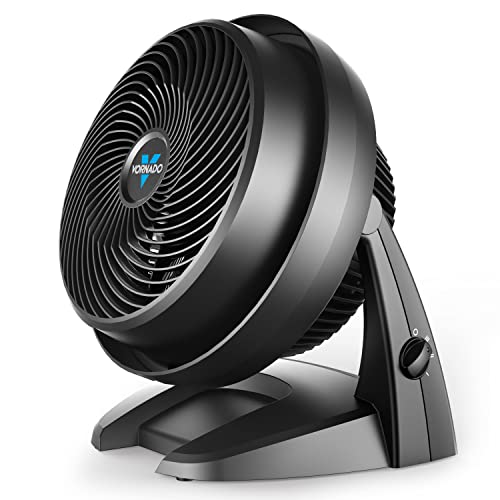
A smart plug and a fan are often enough. That’s it. You don’t need an app-controlled titanium orbiting wind sculpture from some startup with an absurd valuation. A normal fan plugged into a smart outlet can do the job beautifully if it has a physical power switch that stays on when electricity returns.
Set it to turn on before bed. If you get cold overnight, set it to turn off after an hour or two. If your room gets stuffy toward dawn, schedule another on-cycle around early morning. That kind of automation isn’t glamorous, but it’s effective.
If dryness is an issue in winter, a humidifier on a smart plug can also help shape the environment, though you need to stay realistic and keep it clean. Filthy moisture tanks are one of those grim little domestic self-owns that nobody advertises on social media. If you go this route, stick with a simple maintenance routine and don’t automate something you won’t bother to refill or sanitize.
The broader point is this: airflow is part of comfort, and comfort is part of consistency.
Products to Consider
|

|

|

|
|
$59.98
|
$14.99
|
$69.99
|
$42.99
|
5. Automate Noise Masking Instead of Hoping the Street Becomes Civilized
You can’t automate the neighbor’s motorcycle, the garbage truck, the upstairs stomper, or the dog three houses over that apparently answers only to chaos. You can, however, automate sound masking.
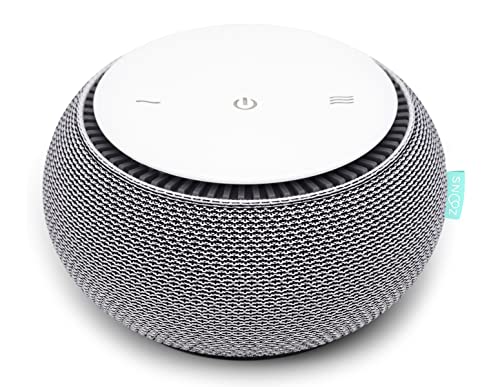
A white noise machine, fan-based sound machine, or speaker-based sound routine can help smooth over random external noise. Hatch Restore is popular because it combines sound and light in one bedside-friendly device. Yogasleep remains a familiar name if you want a more traditional sound machine feel. SNOOZ, LectroFan, and Loftie all get mentioned for different reasons depending on whether you care more about sound character, simplicity, or bundled routine features.
The important part is consistency. Don’t wait until you’re already annoyed. Schedule the sound to start before sleep. Keep the volume stable. Use a sound you can tolerate for long stretches. Some people like brown noise more than white noise because it feels less sharp. Some prefer a fan sound. Some want rain, which I think can be soothing or deeply fake depending on the recording.
If you’re using a smart speaker instead of a dedicated sound machine, test it for reliability. Some setups are fine. Some are flaky in exactly the way you don’t want at bedtime. Bedroom automation should reduce friction, not create a nightly troubleshooting ritual.
Products to Consider

|

|
|

|
|
$169.99
|
$49.00
|
$99.99
|
$65.95
|
6. Build One Wind-Down Routine Instead of Managing Separate Devices
This is where the whole thing starts feeling less like gadgets and more like an actual room system.
Create one routine. Not five half-baked automations living in different apps with names like “Bedtime 2” and “Nighty Night Final v4.” One routine. It should trigger lighting, shades, temperature, and sound in a sensible order.
For example:
At 9:00 p.m., the shades close.
At 9:15 p.m., bedside lamps dim to a warm low level.
At 9:30 p.m., the fan comes on and the bedroom target temperature shifts.
At 9:45 p.m., the sound machine starts.
At your wake time, the sound machine fades, the lights rise softly, and the shades open if that fits your schedule.
That sequence is more powerful than any single device. It teaches the room to transition with you. And frankly, it’s easier to live with because you’re not making decisions at the end of the day when your brain is already cooked.
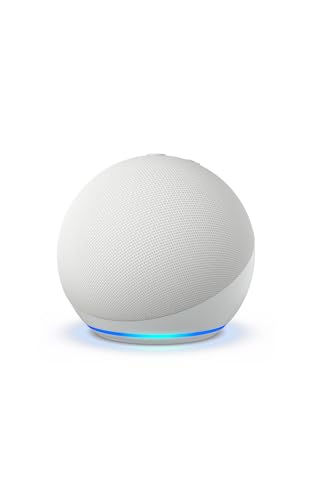
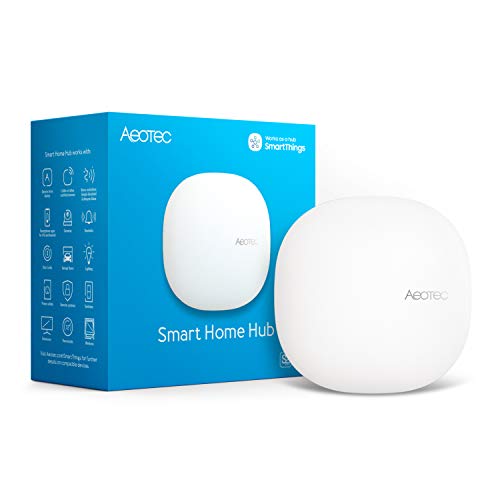
If you use Apple Home, Google Home, Alexa, Home Assistant, or SmartThings, keep the bedroom routine as self-contained as possible. Don’t tie it to a dozen unrelated conditions unless you enjoy debugging automations while tired, which would be an unusual hobby even by current standards.
Products to Consider

|
|

|
|
|
$122.00
|
$39.99
|
$149.00
|
$149.99
|
7. Remove Tiny Frictions That Quietly Ruin Good Setups
This last one sounds minor, but it’s what separates a clever setup from one that actually gets used.
A good automated bedroom fails when the practical details are sloppy. The bulb loses power because someone turned off the lamp switch. The fan doesn’t restart after a power blip. The curtain motor dies because nobody charged it. The motion sensor is placed badly. The charger cable hangs where it gets yanked loose. The sound machine is too bright. The app notifications are louder than the problem you were trying to solve.
That’s why the boring but mandatory layer matters so much.
The Boring But Mandatory Accessories
These are the cheap little items beginners forget, and they matter more than they should:
- Smart plugs with reliable scheduling
- Backup batteries or charging cables for shade motors
- Cable clips or sleeves to keep bedside wiring tidy
- Adhesive hooks or command strips for sensor placement
- Wraparound curtain rods or blackout curtain liners
- A bedside lamp with a physical switch that stays on
- A quiet fan with simple mechanical controls
- A thermometer or temp/humidity display for sanity checks
- Power strips with enough spacing for bulky adapters
- Light-blocking tape or small covers for glowing LEDs
None of this is exciting. That’s exactly why it works. These little fixes keep the automation from being undermined by stupid, avoidable annoyances.
Products to Consider

|
![[ETL Listed] Cable Matters 2-Pack 6-Outlet Surge Protector Power Strip with USB Ports](https://m.media-amazon.com/images/I/81rEZ6FWX4L._AC_SY355_.jpg)
|
|
|
|
$11.99
|
$41.99
|
$0.99
|
$42.99
|
A Sensible Starting Path
If you’re starting from scratch, don’t buy everything at once.
Start with light and blackout control first. That usually gives the fastest visible improvement in how the room feels at night. Next, handle bedroom-specific temperature control. Then add scheduled sound masking if outside noise is part of the problem. After that, unify it into one bedtime routine and clean up the accessories.
If I were advising a friend, I’d tell them to build it in this order:
- Smart bedside lighting
- Better blackout coverage
- Bedroom-targeted cooling or heating
- Scheduled fan or sound masking
- One clean automation routine
This is enough for most people. You can go deeper later if you want, but you probably won’t need to.
A good bedroom automation setup doesn’t feel flashy. It feels calm. The room gets darker when it should. Cooler when it should. Quieter when it should. And you stop negotiating with your environment every night.
That’s the win. Not the gadget count. Not the app screenshots. Just a bedroom that finally gets out of your way.
As an Amazon Associate we earn from qualifying purchases. BedBathTECH.com participates in the Amazon Services LLC Associates Program, an affiliate advertising program designed to provide a means for sites to earn advertising fees by advertising and linking to Amazon.com.

