

Street noise has a special talent for making a bedroom feel less like a place to recover and more like a waiting room with blankets. One motorcycle ruins the quiet. One bus sighs at the curb. One person with a modified exhaust decides the entire block needs to hear his bad decisions in surround sound.
The Quick Answer
If you want the fastest no-drill way to reduce street noise in a bedroom, start with:
- Weatherstrip the window gaps
- Use heavy blackout or sound-dampening curtains
- Add a compression-fit window insert if the budget allows
- Consider hanging mass loaded vinyl behind curtains for a more aggressive renter-safe window fix
- Seal the door gap with a draft stopper or self-adhesive sweep
- Add a rug and more soft furnishings to calm the room
- Use a white noise machine at night
That’s the practical starter stack. It can make a bedroom meaningfully quieter, especially against voices, sirens, tire hiss, wind, and general traffic wash.
Now for the honest part. These no-drill fixes are much better against mid- and higher-frequency street noise than they are against deep bass, diesel rumble, vibration-heavy truck noise, or the low-frequency throb of a modified exhaust. If your main problem is that you can physically feel the street through the structure, no curtain is going to save you. That usually takes structural construction, better glazing, or other permanent building-level upgrades.
RELATED: Block-Out Snoring for Better Sleep
Who This Setup Is For, And Not For
This setup is for renters, apartment dwellers, condo owners, dorm residents, and generally anyone who wants a quieter bedroom without drilling into walls, replacing windows, or giving a landlord a fresh excuse to become impossible.
It’s especially right for you if:
- You hear traffic, sirens, buses, voices, or tire noise through the window
- You can’t drill into walls or window frames
- You want reversible changes
- You care more about sleep than aesthetic minimalism
- You need things that work in a normal bedroom, not just in a staged before-and-after photo
This is not for someone expecting true studio-grade sound isolation from a few adhesive products and a curtain rod. That isn’t how this works. No-drill methods can absolutely help, sometimes a lot, but they won’t turn a street-facing bedroom into a recording booth.
It’s also not for someone who only wants one tiny purchase and expects complete silence. Noise control works best in layers. That’s the part people keep trying to negotiate with, and physics keeps ignoring them.
The Big Mistake
The biggest mistake people make is treating every street-noise problem like a wall problem, then buying products designed to fix the wrong thing.
For most bedrooms, the weak point is the window, then the door gap, then the room’s own tendency to sound sharper and more exposed because it’s sparse, reflective, and acoustically hard. That’s why so many people waste money on cheap foam panels. Foam can help reduce echo inside a room, but it is not a serious first move for traffic noise coming from outside.
The smarter order is this:
- Seal leaks
- Add mass or a better barrier at the window
- Use heavier window coverings
- Calm the room so the leftover noise feels less aggressive
- Mask what remains at night
That sequence matters. If sound is slipping through the sash and under the door, don’t start by decorating the far wall with foam and calling it soundproofing.
My blunt advice is simple: start at the window and the door before you buy anything marketed as acoustic decor. That’s where the meaningful wins usually are.
What to Do First, In Order
Let’s keep this procedural, because bedroom noise problems get expensive when people start guessing.
1. Seal the window gaps with weatherstripping
This is the least glamorous fix and one of the most useful.
If outside air is slipping in around the window sash or frame, sound is coming with it. That means even a decent window can underperform if the seals are tired, patchy, or inconsistent. Adhesive weatherstripping is one of the easiest no-drill ways to reduce those leaks.

This is also where a lot of people accidentally skip the obvious. They buy curtains first because curtains are visible. But if there’s an air gap around the window, sealing that gap is usually the better opening move.
My personal recommendation is to check the window on a colder day, a windy day, or late at night when the room is quiet. Run your hand around the frame. If you can feel air, start there. It’s one of the cheapest intelligent upgrades in this entire category.

|

|

|
|
$70.88
|
$5.09
|
$4.95
|
As an Amazon Associate I earn from qualifying purchases. BedBathTECH.com participates in the Amazon Services LLC Associates Program, an affiliate advertising program designed to provide a means for sites to earn advertising fees by advertising and linking to Amazon.com.
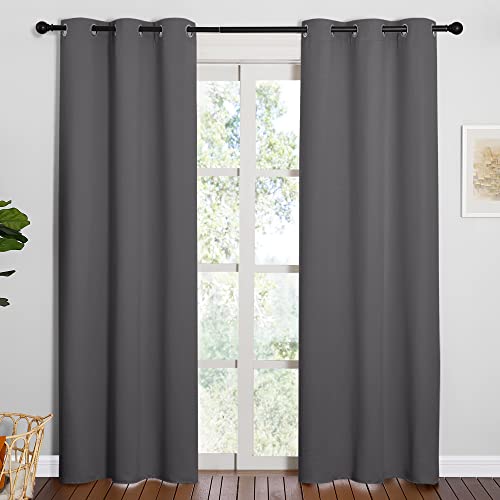
2. Hang heavier blackout or sound-dampening curtains
Curtains are not soundproofing in the full sense, but the right curtains are still worth having.
A thin decorative curtain is mostly a visual decision. A heavier blackout or sound-dampening curtain can soften incoming noise, especially in the upper range, and make the room feel less exposed. The key is coverage, thickness, and fullness. You want the curtain wider than the window, mounted as generously as possible, and allowed to gather instead of stretching flat.
This is also a good place to mention STC, because it helps separate serious claims from fluff. STC stands for Sound Transmission Class. It’s a building-material rating used to describe how well something reduces airborne sound. You don’t need to become an acoustics engineer over it, but when a product actually lists an STC-related claim or discusses measurable transmission reduction, that’s much more meaningful than vague words like “noise-reducing” or “acoustic-inspired.”
Now, don’t get carried away here. Curtains usually aren’t the hero product for true blocking. They’re part of the stack. They help most with higher-frequency spill, reflections near the window, and overall softness, not with deep street rumble.
If I had to choose between a flimsy cheap pair and one heavier pair with real width and coverage, I’d choose the heavier pair every time.
|

|

|
|
$20.47
|
$44.76
|
$96.35
|
3. Add a compression-fit window insert if the noise is serious
This is the grown-up move.
If your street noise is more than mildly annoying, a compression-fit window insert is one of the smartest no-drill upgrades you can make. These inserts press into the existing window frame without permanent installation, which makes them especially attractive for renters or anyone who wants a reversible fix.
This is also where STC becomes more useful. Standard single-pane windows are not especially good at blocking sound. A well-designed insert can push performance noticeably higher, often into the kind of range where everyday street noise starts feeling less intrusive instead of constantly present. You don’t need to memorize numbers, but you should absolutely pay more attention to products that talk in measurable performance terms rather than mood-board language.
My personal advice is this: don’t start here if your problem is moderate and the budget is tight. Start with sealing and curtains first. But if you’re street-facing, the room is ruining sleep, and you want the strongest renter-friendly upgrade short of actual construction, this is one of the few no-drill options I’d call genuinely substantial.
RELATED: Automate Your Bedroom for Better Sleep
4. Use mass loaded vinyl behind the curtain if you need a more aggressive renter workaround
This is the ugly-but-smart option.
Mass loaded vinyl, usually called MLV, is one of the few materials in this category that actually behaves like a serious sound barrier. It’s dense, heavy, and much more legitimate than ordinary fabric when the goal is blocking airborne noise. For renters who can’t drill or replace the window, one workaround is to hang a sheet of MLV on a heavy-duty tension rod or temporary setup right against or very near the window, then place heavier curtains in front of it.
Is it pretty? Not really. Is it elegant? Also no. Is it the kind of thing desperate street-noise sufferers actually end up doing because it works better than decorative curtain layers alone? Absolutely.
This is not my first recommendation for everybody, because it’s visually clunky and more annoying to handle than curtains. But if you’ve already sealed the window, added decent curtains, and still need a more aggressive no-drill barrier, MLV is one of the most credible next steps.
Just keep your expectations sane. It can help with airborne noise. It will not make diesel vibration disappear. That distinction matters.
Warning: MLV is incredibly heavy (about 1 lb per square foot). You must use a commercial-grade shower tension rod rated for 30+ lbs, or the weight will cause it to collapse.

|

|
|
$254.80
|
$259.90
|
5. Kill the door gap
People obsess over the window and forget the bedroom door is basically a leak with hinges.
If there’s a gap under the door, hallway sound and air movement keep feeding the room. In apartments and older homes especially, this matters more than people expect. A simple under-door draft stopper or self-adhesive sweep won’t transform the bedroom on its own, but it absolutely belongs in the stack.
This is one of those cheap, unglamorous fixes that never gets enough attention because it doesn’t photograph well. That’s exactly why it’s useful.

|

|

|
|
$16.99
|
$16.99
|
$16.98
|
6. Calm the room down with rugs, bedding, and softer surfaces
This section matters, but let’s be honest about what it’s doing.
A rug, thicker bedding, upholstered furniture, softer window treatments, and a less reflective room can make the bedroom feel less sharp, less echoey, and less acoustically harsh. That can make outside noise feel a little less aggressive once it’s already in the room.

What it does not do is meaningfully block street noise at the structural level. A dresser is not a wall upgrade. A bookshelf is not a serious barrier unless you’ve somehow built an enormous airtight mass assembly, which is not what most people are doing with flat-pack furniture and optimism.
So yes, use rugs and softer materials. Yes, a fuller room often feels calmer. But use them for interior acoustic softening, not as a fantasy sound-blocking wall.
7. Use sound masking at night
This is the final layer, not the first.
A sound machine won’t soundproof a room, but it can make leftover street noise less disruptive by smoothing the contrast between quiet and interruption. That matters at night, especially when the problem is inconsistent noise. A passing car is annoying partly because it breaks stillness. If the room already has a stable noise floor, that interruption often feels less sharp.
My personal preference here is still a proper white noise or fan-style machine rather than just letting a phone whisper rain sounds from across the nightstand like it’s trying not to wake itself up.
The sound machine should be the last layer you add, not the thing you buy to avoid doing the more important fixes.

|

|

|

|
|
$39.99
|
$65.95
|
$49.00
|
$169.99
|
The Gear Bundles That Make Sense
People don’t want infinite options. They want a couple sane bundles that fit the severity of the problem.
Option 1: The cheapest meaningful starter setup
You buy:
- Window weatherstripping
- Under-door draft stopper or self-adhesive sweep
- A decent white noise machine
Why this works: it tackles the obvious leaks first, then makes the remaining noise less noticeable at night. This is the best low-cost starting point if your room is noisy but not catastrophic.
Option 2: The renter-friendly sleep-first setup
You buy:
- Heavier blackout or sound-dampening curtains
- Window weatherstripping
- Door sweep
- White noise machine
Why this works: it gives you a layered, landlord-safe approach without forcing you into expensive custom inserts right away. For a lot of people, this is the sweet spot.
Option 3: The serious street-noise setup
You buy:
- Compression-fit acoustic window insert
- Heavier curtains
- Door sweep
- White noise machine
Why this works: this is the strongest clean-looking no-drill path if the window is clearly the main offender. It costs more, but it’s much more likely to feel like a real upgrade instead of a symbolic purchase.
Option 4: The hardcore renter workaround
You buy:
- Weatherstripping
- Heavy-duty curtain or tension setup
- Mass loaded vinyl behind the curtain
- Door sweep
- White noise machine
Why this works: this is the ugly-but-effective setup for people who need more blocking at the window and are willing to sacrifice aesthetics for actual performance. It’s not charming. It is practical.
Option 5: The “sparse room, sharp room” setup
You buy:
- Rug
- Thicker curtains
- Door sweep
- Sound machine
- More layered bedding and softer surfaces
Why this works: some bedrooms feel worse because they’re acoustically hard and visually minimal. This setup doesn’t pretend a rug blocks traffic. It makes the room itself less harsh and less echo-prone while still addressing the main leak points.
Boring But Mandatory Accessories
These are the little things people forget and then act surprised when the whole setup underperforms:
- Measuring tape
- Scissors or a utility knife for trimming weatherstripping
- Surface cleaner or isopropyl alcohol before applying adhesives
- Extra adhesive strips
- Curtain clips or stronger temporary curtain hardware, if needed
- A simple way to measure the door gap
- A step stool
- Cable management for the sound machine
- A rug pad if the rug slides
- Patience, which continues to be understocked everywhere
The cleaner the install, the better the result. Adhesives hate dusty surfaces, sloppy measurements create weak points, and badly fitted temporary solutions tend to disappoint people who blame the product instead of the install.
My Personal Recommendation
If I were doing this in a normal renter bedroom facing a moderately noisy street, I’d start with:
window weatherstripping, a proper under-door stopper, heavier blackout curtains, and a quality sound machine.
This is the best first stack for most people. If the room was still noisy enough to disrupt sleep, I’d look very seriously at a compression-fit window insert next. That’s the upgrade I’d rather save for than waste money on random “noise reducing” gadgets that never really move the needle.
If I needed an even more aggressive renter-safe window fix and didn’t care about elegance, I’d consider MLV behind the curtains before I started buying decorative acoustic products that mostly solve a different problem.
And I’d keep the promise honest: this kind of setup can make voices, sirens, wind, and general traffic wash much easier to live with. It will do far less against deep rumble, vibration, and bass-heavy street intrusion.
Final Thoughts
You don’t need to tear apart a bedroom to make it quieter. But you do need to be honest about what no-drill fixes can actually do. Start with leaks. Add better window coverage. Use a real barrier if the problem is serious. Treat the door gap like it matters, because it does. Use rugs and soft materials to calm the room itself, not to pretend you’ve built a wall. Bring in a sound machine last, not first.
And if your problem is truly low-frequency rumble from trucks, modified exhaust, or structure-borne vibration, don’t let anyone sell you fantasy. No-drill fixes can help a lot with many kinds of street noise, but they are not structural soundproofing.
A quieter bedroom usually comes from layered, boring, sensible changes, not one dramatic purchase. That’s less exciting, sure. It’s also how you actually sleep better.

